
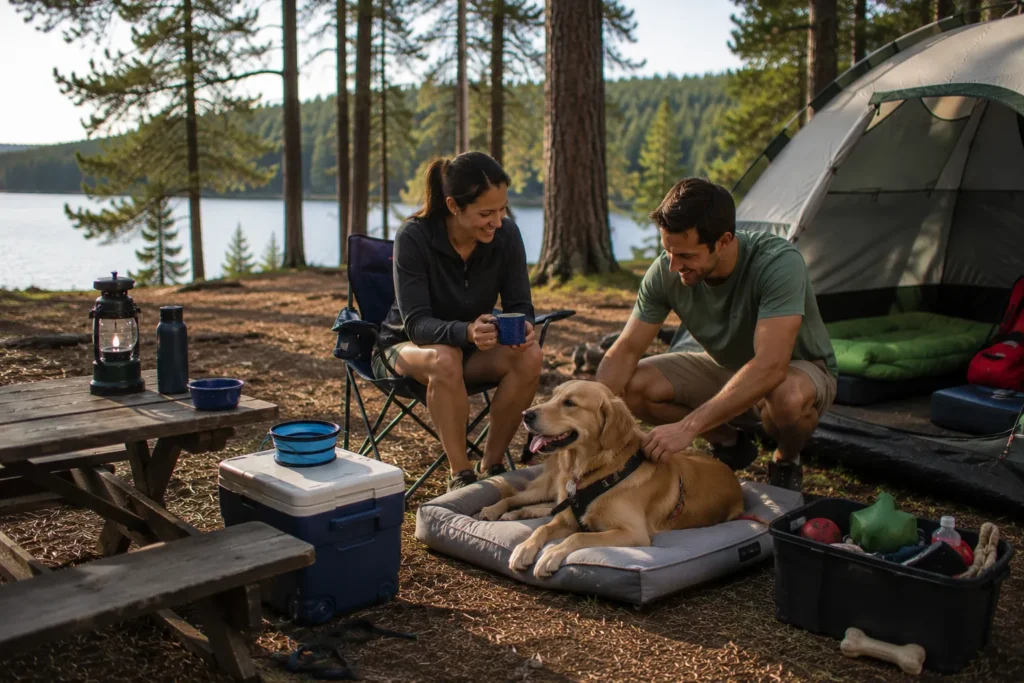
Dog-Friendly Camping has become increasingly popular among outdoor enthusiasts. According to the American Pet Products Association, nearly 66% of US households own pets. Many families now include their dogs in travel plans. Camping with dogs creates memorable experiences, but it also requires preparation and responsibility. Understanding campsite rules and your dog’s needs helps ensure a safe and enjoyable trip.
Successful Dog-Friendly Camping depends on planning. Different campgrounds have different policies regarding pets. Some parks limit the number of dogs allowed, while others require leashes at all times. Preparing ahead prevents unexpected problems. We always recommend checking campground regulations before booking.
Dogs benefit from outdoor activities through exercise and mental stimulation. However, unfamiliar environments can expose them to wildlife, extreme weather, and other hazards. Proper equipment, vaccinations, and obedience training make camping easier. With practical preparation, both owners and dogs can enjoy a comfortable outdoor adventure.
Understanding Campsite Rules for Dogs
Check Pet Policies Before Arrival
Every campground follows its own rules regarding pets. National parks, private campgrounds, and state parks may have different requirements. Many locations require dogs to remain on a leash measuring six feet or less. Some campgrounds charge pet fees ranging from $5 to $25 per stay.
Responsible Dog-Friendly Camping starts with respecting these policies. Campground managers create regulations to protect visitors, wildlife, and pets. Ignoring these rules may result in fines or removal from the site. Reading regulations before traveling saves time and prevents unnecessary stress.
Important rules commonly include:
- Keep dogs leashed.
- Clean up waste immediately.
- Prevent excessive barking.
- Avoid restricted trails.
- Never leave dogs unattended.
Common Pet Regulations
| Regulation | Typical Requirement |
|---|---|
| Leash length | Maximum 6 feet |
| Pet fee | $5–$25 per stay |
| Number of dogs | 2 dogs per campsite |
| Waste disposal | Mandatory cleanup |
| Quiet hours | Usually 10 PM to 6 AM |
Essential Equipment for Dog-Friendly Camping
Pack Safety and Comfort Supplies
Proper equipment improves the overall camping experience. Dogs need many of the same essentials humans require. Water, food, shelter, and first-aid supplies should always be available. Veterinarians recommend carrying at least three days of extra food in case of emergencies.
We have found that organized packing reduces stress during Dog-Friendly Camping trips. Portable water bowls and elevated beds provide additional comfort. Reflective collars improve visibility after dark. Bringing familiar toys also helps dogs adapt to new surroundings.
Essential gear includes:
- Portable food and water bowls.
- Extra dog food supply.
- Waste bags.
- Collar with ID tags.
- Leash and harness.
- Dog bed or blanket.
- Pet first-aid kit.
- Tick and flea protection.
- Towels and grooming brush.
Weather Protection Matters
Weather conditions can change quickly outdoors. Summer temperatures above 85°F increase heat exhaustion risks. Cold weather below 45°F requires extra bedding and insulation. Monitoring weather forecasts helps protect pets throughout the trip. Start your journey with our guide to Camping.
Keeping Your Dog Safe Around Wildlife
Prevent Dangerous Encounters
Wildlife encounters represent one of the biggest concerns during Dog-Friendly Camping. Raccoons, snakes, coyotes, and bears may inhabit camping areas. According to the National Park Service, feeding wildlife increases aggressive behavior and creates risks for both animals and visitors.
Keeping dogs close reduces potential conflicts. We recommend using sturdy harnesses instead of retractable leashes. Strong recall commands also improve safety. Dogs with basic obedience training respond better during unexpected situations.
Safety practices include:
- Keep dogs leashed at all times.
- Store food securely.
- Avoid approaching wild animals.
- Stay on marked trails.
- Inspect paws after hikes.
Watch for Parasites and Plants
Ticks become active when temperatures exceed 45°F. They can transmit Lyme disease and other illnesses. Poisonous plants, including foxglove and oleander, also threaten curious pets. Daily inspections help identify problems early.
Practical Tips for a Comfortable Camping Experience
Maintain Daily Routines
Dogs adjust better when familiar routines remain consistent. Feeding schedules, exercise periods, and sleep times should follow normal patterns. Consistency reduces anxiety and improves behavior throughout the trip.
Experienced campers often create a designated area for dogs near the tent. This space gives pets a sense of security. We have noticed that bringing familiar bedding helps dogs relax faster in unfamiliar environments. Maintaining structure contributes to successful Dog-Friendly Camping experiences.
Additional comfort tips include:
- Provide plenty of fresh water.
- Exercise before bedtime.
- Use LED collar lights at night.
- Brush coats daily.
- Monitor paws for cuts or burns.
Respect Fellow Campers
Not everyone enjoys interactions with dogs. Responsible owners keep barking under control and maintain clean campsites. Courtesy creates a better atmosphere for everyone sharing the campground.
Conclusion
Dog-Friendly Camping offers rewarding experiences for both owners and pets. Preparation makes every trip safer and more enjoyable. Understanding campground rules, carrying proper supplies, and protecting dogs from wildlife are essential steps. Consistent routines and respectful behavior also improve the camping experience. By planning carefully and prioritizing safety, we can create memorable outdoor adventures while ensuring our dogs remain healthy, comfortable, and happy throughout the journey.