
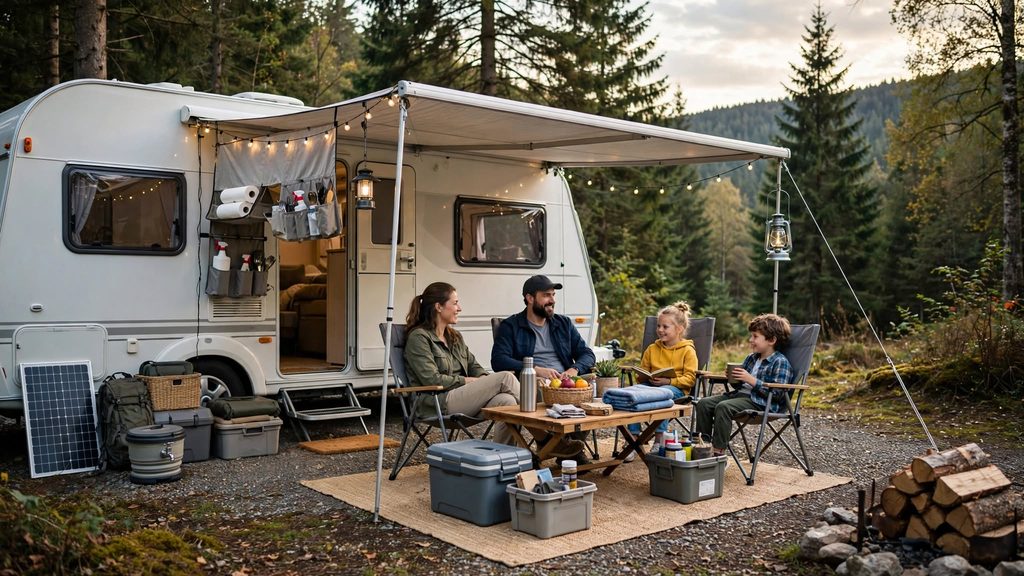
Caravan camping offers a practical way to enjoy the outdoors while keeping many of the everyday comforts of home close at hand. Instead of relying entirely on tents and outdoor facilities, travelers can have dedicated sleeping space, cooking equipment, storage, and shelter from changing weather conditions. However, a comfortable caravan camping experience still requires thoughtful preparation.
Small details can make a noticeable difference once you arrive at a campsite. Choosing an appropriate pitch, organizing your belongings, managing electricity and water, and creating comfortable sleeping conditions all contribute to a smoother stay. Whether you are planning a short weekend break or a longer family trip, the following caravan camping tips can help you prepare effectively.
Choose Your Campsite and Pitch Carefully
Comfort begins before the caravan is fully set up. When possible, examine the pitch for uneven ground, drainage issues, overhanging branches, and convenient access to campsite facilities.
A relatively level position makes it easier to stabilize the caravan and can improve comfort when sleeping, cooking, and moving around inside. If the ground slopes, suitable leveling equipment may be needed according to your caravan’s setup.
Think about the surroundings as well. A pitch close to facilities can be convenient, particularly for families, but it may also experience more foot traffic. A quieter location farther away may provide more privacy while requiring longer walks to shared amenities.
Organize the Caravan Before You Travel
Limited space is one of the main practical considerations of caravan camping. Bringing too many unnecessary belongings can quickly make the interior feel crowded.
Store frequently used items where they can be reached easily and keep similar supplies together. Cooking utensils can remain near the kitchen area, while outdoor equipment can be stored close to the entrance or in appropriate exterior compartments.
Avoid leaving bags, shoes, cables, or equipment in narrow walkways. Keeping the floor clear makes the caravan easier to use, particularly when several people are sharing the space.
Pack According to How You Will Actually Camp
Rather than packing for every possible situation, consider the activities, weather, campsite facilities, and duration of your trip. Clothing that can be layered is often more practical than carrying several bulky outfits.
For family trips, entertainment also deserves some planning. How to Keep Children Entertained While Camping can be particularly relevant when preparing simple activities for quiet periods, evenings, or unexpected changes in weather.
Create a Comfortable Sleeping Environment
A good night’s sleep can influence how enjoyable the following day feels. Before leaving home, check mattresses, bedding, pillows, blinds, and ventilation.
Choose bedding that suits the expected temperatures. During warmer conditions, airflow may be important, while cooler nights can require additional layers. Keeping an extra blanket available is useful when temperatures change unexpectedly.
Try to maintain a simple bedtime routine as well. Clearing away daytime clutter and preparing sleeping areas before everyone becomes tired can make evenings much easier.
Manage Ventilation and Temperature
Caravans are enclosed spaces, so temperature and airflow can change quickly depending on the weather and number of occupants.
Use windows, roof vents, blinds, or fitted ventilation systems appropriately to keep the interior comfortable. Cooking and normal daily activities can also introduce moisture into the caravan, making regular ventilation important.
During sunny weather, blinds or shades can help reduce direct heat entering through windows. In colder conditions, use any installed heating equipment according to its operating instructions and maintain appropriate ventilation.
Plan Electricity and Water Use
Understanding your caravan’s basic utilities before traveling can prevent unnecessary inconvenience at the campsite.
Check how your electrical hookup, battery system, water supply, wastewater arrangement, and onboard appliances operate. If you are unfamiliar with any equipment, reviewing the caravan manufacturer’s instructions before departure is preferable to trying to understand the system after arriving.
Be Sensible With Available Resources
Even when a campsite provides electricity and water, thoughtful use can make daily routines easier. Avoid leaving unnecessary lights or appliances running, and keep an eye on available water if your setup relies on a limited onboard supply.
It is also useful to know where campsite water points, waste disposal areas, and electrical connections are located before completing your setup.
Make Cooking Simple and Practical
Caravan kitchens are convenient but usually provide less preparation space than a home kitchen. Simple meals therefore tend to work well during camping trips.
Plan several meals before departure and bring ingredients that can be used in more than one dish. Preparing or portioning some ingredients at home can reduce both cooking time and cleanup at the campsite.
Keep frequently used cookware accessible and clean surfaces soon after preparing food. This helps prevent the compact kitchen area from becoming cluttered.
Create Useful Outdoor Living Space
Your caravan does not have to contain every part of daily life. When campsite rules and weather permit, a small outdoor area can provide valuable additional living space.
Camping chairs, a table, or an awning can create somewhere to eat, relax, read, or spend time together. Keeping muddy footwear and suitable outdoor equipment outside the main living area can also help keep the caravan interior cleaner.
However, outdoor belongings should be secured or stored appropriately when conditions change or when you leave the pitch.
Keep a Simple Setup and Departure Routine
Developing a consistent routine can make caravan camping less stressful. On arrival, concentrate first on positioning and stabilizing the caravan correctly before arranging furniture, cooking equipment, or recreational items.
Before departure, reverse the process carefully. Secure cupboards, windows, loose belongings, and equipment, and check that utility connections have been handled correctly.
A personal checklist can be useful because caravan layouts and equipment vary. It also reduces the chance of overlooking small but important tasks when everyone is preparing to leave.
Conclusion
A comfortable caravan camping experience depends less on bringing large amounts of equipment and more on making thoughtful decisions about space, setup, utilities, sleeping arrangements, and everyday routines.
Choose a suitable pitch, keep the interior organized, prepare for changing temperatures, understand your caravan’s systems, and plan simple meals and activities. With sensible preparation and an uncluttered setup, the caravan can become a practical base for enjoying the campsite and spending more time outdoors.