
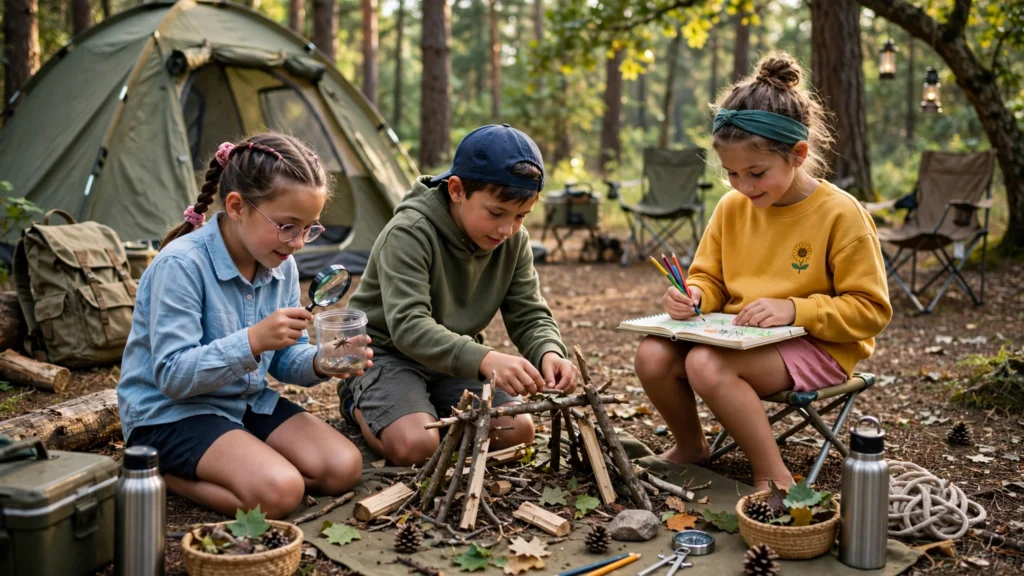
Camping gives families a chance to disconnect from screens and reconnect with nature. Children often enjoy outdoor adventures, but boredom can appear quickly without planned activities. A successful Camping trip balances exploration, creativity, learning, and relaxation. With thoughtful preparation, parents can turn every day outdoors into a memorable experience filled with discovery and fun.
Keeping children engaged during Camping does not require expensive gear or complicated plans. Research from outdoor education organizations shows that nature-based play improves creativity, problem-solving, and physical activity. By combining structured games with free exploration, families create positive experiences that encourage children to enjoy the outdoors while building confidence and lifelong memories.
Why Planning Matters Before Camping
A successful Camping trip starts before leaving home. Children enjoy adventures more when they know what to expect. Parents should involve them in planning activities and packing personal items. This simple step creates excitement and gives children ownership of the experience.
Preparation also reduces downtime that often leads to boredom. Pack weather-appropriate clothing, outdoor games, flashlights, coloring supplies, binoculars, and simple snacks. A mix of active and quiet entertainment keeps children engaged throughout the day while allowing flexibility when weather conditions change.
Quick Planning Checklist
- Pack age-appropriate outdoor games.
- Bring art supplies and notebooks.
- Include flashlights for evening activities.
- Carry binoculars for wildlife observation.
- Prepare healthy snacks and water bottles.
- Pack first-aid essentials.
- Download offline nature guides if needed.
Outdoor Activities That Keep Children Active
Nature Exploration Games
The best Camping experiences encourage children to explore their surroundings safely. Organize a nature scavenger hunt using leaves, rocks, flowers, feathers, or animal tracks. This activity develops observation skills while making walks more exciting.
Parents can also create simple challenges such as identifying five bird species or collecting different leaf shapes. Outdoor educators consistently recommend guided exploration because it increases children’s curiosity and environmental awareness without making learning feel like school.
Physical Adventure Challenges
Physical games help children burn energy during Camping trips. Set up obstacle courses using logs, sticks, and safe natural features. Play relay races, hide-and-seek, or follow-the-leader on hiking trails designed for families.
These activities improve balance, coordination, and teamwork. According to outdoor recreation specialists, physically active children often sleep better after full days outside, making evenings more relaxing for the entire family.
Creative Activities Around the Campsite
Arts, Crafts, and Storytelling
Creative projects give children a calm break between outdoor adventures. Encourage them to sketch landscapes, paint rocks, create leaf rubbings, or write short nature journals. These keepsakes help preserve family memories long after the Camping trip ends.
Storytelling becomes even more engaging around the campfire. Parents can start a story while each child adds another sentence. This activity develops imagination, communication skills, and confidence while creating laughter throughout the evening.
Campfire Entertainment
Evenings provide excellent opportunities for simple family traditions. Sing favorite songs, tell funny stories, or organize shadow puppet shows using flashlights. Roasting marshmallows adds excitement while teaching children about fire safety under adult supervision.
Campfire entertainment encourages meaningful conversations. Without digital distractions, families often spend more quality time talking, sharing experiences, and strengthening relationships during Camping adventures.
Educational Opportunities During Camping
Nature offers countless learning experiences without requiring textbooks. Children can observe insects, identify constellations, measure tree heights, or learn basic navigation using a compass. Every activity introduces practical knowledge through direct experience.
Parents can also explain weather patterns, ecosystems, and wildlife habitats using real examples around the campsite. Outdoor learning improves knowledge retention because children actively participate instead of simply reading information. This approach transforms Camping into both an enjoyable vacation and an educational adventure.
Best Activities by Age Group
| Age Group | Recommended Camping Activities | Main Benefits |
|---|---|---|
| 3–5 years | Nature walks, bubble play, collecting leaves | Sensory development |
| 6–8 years | Scavenger hunts, simple hiking, crafts | Curiosity and creativity |
| 9–12 years | Orienteering, fishing, wildlife photography | Independence and confidence |
| Teenagers | Camp cooking, advanced hiking, astronomy | Responsibility and teamwork |
Safety Tips While Camping With Children
Keeping children safe allows everyone to enjoy camping with confidence. Establish campsite boundaries immediately after arrival. Teach children to recognize landmarks and explain what to do if they become separated from the group.
Essential safety practices include:
- Keep children hydrated throughout the day.
- Apply sunscreen regularly.
- Use insect repellent when necessary.
- Supervise campfires at all times.
- Store food securely away from wildlife.
- Carry emergency contact information.
- Teach basic outdoor safety rules before activities begin.
Outdoor safety experts also recommend giving each child a whistle. Three short whistle blasts are widely recognized as a distress signal and can help adults locate children more quickly during emergencies.
Encouraging Independence During Camping
Children develop confidence when they contribute during Camping trips. Assign simple responsibilities based on age, such as organizing sleeping bags, collecting small sticks, setting the table, or helping prepare meals. These tasks teach responsibility while making children feel like valuable team members.
Parents should balance supervision with freedom. Allow children to solve small challenges independently before offering assistance. Outdoor educators consistently observe that guided independence strengthens decision-making, resilience, and problem-solving skills while helping children appreciate nature through personal experiences. Explore our latest insights in Dog-Friendly Camping: Rules and Practical Tips.
Conclusion
Camping becomes more enjoyable when children stay active, curious, and involved throughout the trip. A thoughtful mix of outdoor games, creative projects, learning opportunities, and simple responsibilities creates lasting family memories. With preparation and flexibility, every Camping adventure can inspire confidence, strengthen family connections, and encourage a lifelong appreciation for the outdoors.